
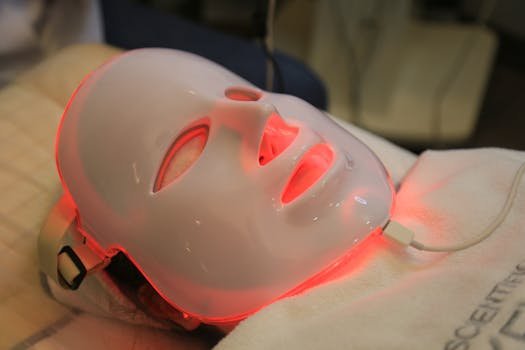
Light Therapy Anti-Aging — Integrating red light therapy for anti-aging and longevity at home has become a cornerstone protocol for Singapore’s biohacking community, offering a non-invasive way to rejuvenate skin and optimize cellular energy.
What is Red Light Therapy?
Red Light Therapy (RLT), also known as photobiomodulation (PBM), involves exposing the skin to specific wavelengths of red (630–670 nm) and near-infrared (810–850 nm) light. Unlike the harsh UV rays from the tropical Singapore sun, these wavelengths do not damage the skin. Instead, they penetrate deep into the tissue to stimulate the mitochondria—the powerhouses of your cells.
For those focused on a daily biohacking routine to increase lifespan and healthspan, RLT serves as a “cellular battery charger,” enhancing the production of Adenosine Triphosphate (ATP), which fuels every restorative process in the body.
Why Red Light Therapy Matters for Longevity and Healthspan
As we age, our cellular energy production slows down, leading to visible signs of aging and decreased physical resilience. RLT counteracts this decline through several key mechanisms:
- Collagen Synthesis: Clinical trials have shown that RLT increases fibroblasts, which produce the collagen and elastin necessary for youthful, firm skin.
- Reduced Inflammation: Systemic inflammation is a primary driver of biological age. RLT helps modulate the inflammatory response, supporting faster recovery from exercise and stress.
- Mitochondrial Support: By optimizing the electron transport chain, RLT helps maintain high-functioning cells, which is a fundamental requirement for a long healthspan.
- Circadian Rhythm Regulation: Using red light in the evening instead of harsh overhead “blue” lights helps maintain melatonin levels, improving sleep quality—a vital longevity pillar.
Science-Backed Mechanisms and Key Biomarkers
The effectiveness of red light therapy for anti-aging and longevity at home is rooted in its ability to interact with light-sensitive molecules in our cells.
The Cytochrome c Oxidase Connection
The primary mechanism of RLT involves a protein called Cytochrome c Oxidase. Small-scale clinical studies suggest that red light helps displace nitric oxide from this protein, allowing oxygen to bind more effectively and increasing the “fuel” (ATP) available for cellular repair and DNA maintenance.
Key Biomarkers to Monitor
If you are using RLT as part of a broader longevity strategy, keep an eye on these indicators:
- Skin Elasticity: A qualitative measure of collagen density.
- hs-CRP: To track changes in systemic inflammation.
- Deep Sleep Duration: Often measured via wearables (like Oura or Whoop) to see the impact of RLT on recovery.
- Heart Rate Variability (HRV): To monitor improvements in autonomic nervous system balance.
Practical Biohacks You Can Start in Singapore
With the rise of high-quality, medical-grade home panels, you can now bring the technology of a longevity clinic in Singapore into your living room.
Designing Your Home Protocol
- Frequency: Aim for 10–15 minutes per session, 3 to 5 times a week. Consistency is more important than duration.
- Distance: For anti-aging (skin surface), stay 15–30 cm from the device. For deeper tissue or joint recovery, move closer (5–10 cm).
- Target Areas: Focus on the face and neck for aesthetics, or the thyroid and gut area for metabolic support (consult a professional before targeting specific organs).
Integration into Singapore Life
- The “Morning Charge”: Use your RLT panel while checking emails or meditating to kickstart your morning energy.
- Post-Workout Recovery: After a session at a local gym, use near-infrared light on sore muscles to reduce oxidative stress.
- Evening Wind-Down: Switch off the bright LED lights in your apartment and use only red light 30 minutes before bed to prepare your brain for deep sleep.
Risks, Limitations, and Who Should Avoid This
While RLT is generally considered very safe, it is not without guidelines.
- Eye Safety: Never stare directly into the LEDs. Always use the provided protective eyewear, especially with near-infrared light.
- Skincare Interactions: Some topical ingredients (like Retinol or certain essential oils) can make the skin photosensitive. It is best to use RLT on clean, dry skin.
- Existing Conditions: Those with active skin cancers, photosensitivity disorders, or who are pregnant should seek medical advice.
Important Note: Red light therapy may not be suitable for everyone. People with existing medical conditions or on medication should consult a qualified doctor in Singapore before beginning a high-intensity RLT protocol at home.
How to Get Started in Singapore
Ready to upgrade your home setup? Here is how to navigate the Singapore market:
- Choose the Right Hardware: Ensure your device provides the correct irradiance (power density) and wavelengths (660nm and 850nm are the gold standards). Avoid cheap “beauty masks” that lack the power to penetrate the dermis.
- Professional Assessment: Before starting, visit a specialized health screening center to get a baseline of your skin health and inflammatory markers.
- Combine with Other Hacks: RLT works synergistically with other protocols like NAD+ supplementation and cold exposure.
- Local Expertise: Seek out longevity clinics in Singapore that offer professional-grade PBM sessions to experience the effects before investing in your own home panel.
FAQ
1. Is red light therapy the same as a tanning bed? No. Tanning beds use UV light, which damages DNA and causes aging. RLT uses specific red and near-infrared wavelengths that promote repair and do not cause tanning or skin damage.
2. Can I use RLT every day? While you can, there is a “diminishing returns” effect. Your cells need time to process the light energy. For most, 5 days a week is the sweet spot for red light therapy for anti-aging and longevity at home.
3. Will it help with hair loss? There is observational research suggesting that RLT can stimulate hair follicles in some individuals, especially when combined with other scalp health protocols.
4. How soon will I see anti-aging results? Skin texture and glow may improve in 2–4 weeks, while significant changes in fine lines and collagen density typically take 8–12 weeks of consistent use.
Suggested Images with Alt Text
- Image 1: A professional woman in a modern Singapore apartment sitting in front of a glowing red light panel.
- Alt Text: Using red light therapy for anti-aging and longevity at home in a Singapore residence.
- Image 2: A close-up of a high-quality LED light panel showing the red and near-infrared bulbs.
- Alt Text: Medical-grade red light therapy device for biohacking cellular health.
- Image 3: A split-screen graphic showing the penetration of red light vs. UV light in the skin layers.
- Alt Text: Science-backed mechanism of red light therapy for collagen production and healthspan.
Next Steps with Lifespan Asia
Enhance your longevity routine with data-driven insights:
- Book your Advanced Longevity Biomarker Assessment
- Explore our Guide on Red Light Therapy Wavelengths
- Enquire about Personalised Longevity Coaching & Protocols
- How to Measure Your Biological Age: A Beginner’s Guide
Medical Disclaimer: This article is for general education only and does not replace professional medical advice. Always consult a qualified healthcare provider in Singapore before starting any new supplement, therapy, or biohacking protocol.
For personalised longevity programmes in Singapore, visit Helix Privé — Singapore’s leading medical longevity concierge.
Related Articles
- BoostenX AI Marketing Platform: How Singapore Founders David Chua Son and Zara Ayden Are Changing Enterprise Marketing
- What Is BoostenX? How AI Workflow Automation Is Transforming Health & Longevity Business Operations in 2026
- NAD+ Boosters Compared: NMN vs NR vs Niacin — Which Is Best for Longevity in 2026?
- The Longevity Diet in 2026: What the Latest Science Says About Eating to Live Longer
For more information, visit Wikipedia: Finance.