
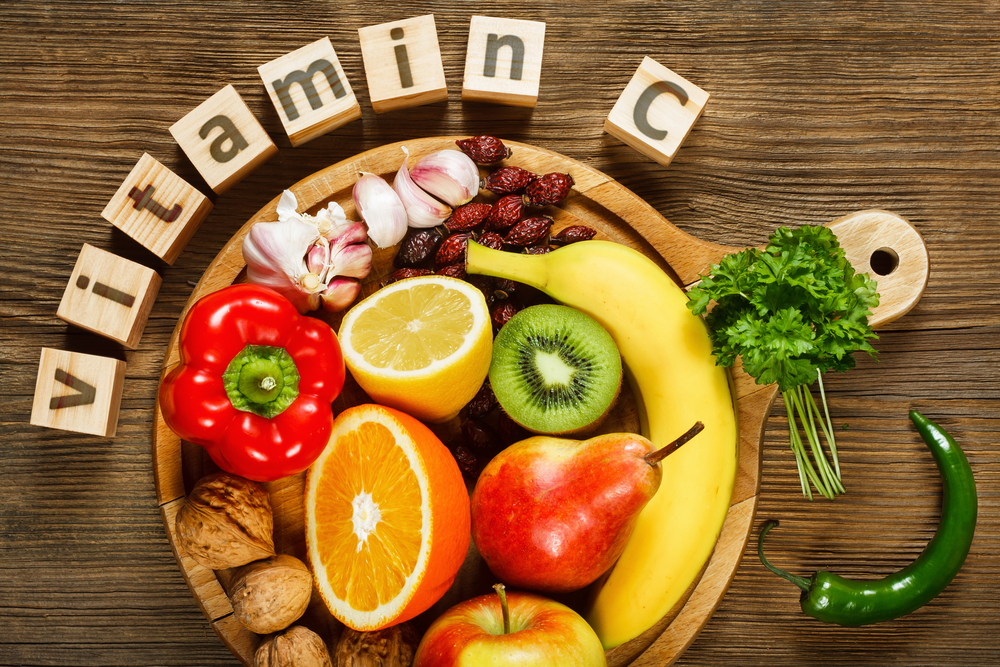
New research offers hope for managing age-related inflammation and supporting long-term wellness in postmenopausal women
Resveratrol Vitamin Nutrient — For many women, the years following menopause bring more than the end of reproductive cycles. They also mark a biological shift that quietly—but profoundly—affects cellular health, metabolism, and resilience. One of the key drivers behind many of these age-related changes is something that’s often invisible but deeply consequential: oxidative stress.
Now, a new study suggests that a combination of two well-known natural compounds—resveratrol and vitamin C—may offer a simple, accessible way to reduce oxidative stress in postmenopausal women, potentially helping to slow the biological processes that underlie many chronic diseases associated with aging.
Let’s take a closer look at what oxidative stress really means, why menopause accelerates its impact, and how this nutrient combination may offer a gentle but meaningful defense for women navigating this important stage of life.
Understanding Oxidative Stress: The Hidden Wear-and-Tear of Aging
Oxidative stress happens when your body’s natural balance between free radicals (unstable molecules that can damage cells) and antioxidants (molecules that neutralize them) gets thrown out of alignment.
Free radicals are produced as natural byproducts of:
- Cellular metabolism
- Immune responses
- Exposure to toxins (such as pollution, smoking, and alcohol)
- Chronic inflammation
In small amounts, these reactive oxygen species (ROS) can serve useful roles in cell signaling and defense. But when their levels build up unchecked—a condition called oxidative stress—they begin to attack cellular structures, damaging DNA, proteins, and lipids.
Over time, this cumulative cellular injury contributes to:
- Accelerated aging
- Heart disease
- Cognitive decline
- Diabetes
- Osteoporosis
- Cancer
Oxidative stress doesn’t cause these diseases directly, but it creates a permissive environment where age-related deterioration can thrive.
Menopause and the Rise in Oxidative Burden
For women, menopause represents a turning point in oxidative balance. As estrogen levels drop, so does one of the body’s natural antioxidant defenses. Estrogen isn’t just a reproductive hormone—it also exerts protective effects on mitochondria, blood vessels, and antioxidant pathways.
The loss of estrogen after menopause can:
- Increase free radical production
- Impair mitochondrial efficiency
- Reduce the body’s ability to repair oxidative damage
This partly explains why the risk of cardiovascular disease, metabolic dysfunction, and osteoporosis rises sharply in women after menopause. The postmenopausal decline in estrogen leaves cells more vulnerable to oxidative stress, accelerating many of the processes we associate with aging.
Given this, researchers have been exploring safe, effective ways to restore antioxidant defenses for postmenopausal women. And that’s where resveratrol and vitamin C enter the picture.
The Study: Resveratrol and Vitamin C Team Up Against Oxidative Stress
In this recent study, scientists examined whether daily supplementation with resveratrol and vitamin C could reduce oxidative stress in postmenopausal women.
The design:
- Participants: Postmenopausal women aged 50 to 65, generally healthy.
- Intervention: Daily supplementation with a combination of resveratrol (a polyphenol found in red wine, grapes, and berries) and vitamin C (a well-known antioxidant essential for collagen synthesis and immune function).
- Duration: Several months of consistent supplementation.
- Primary outcome: Changes in biomarkers of oxidative stress, including markers of lipid peroxidation (how much oxidative damage is occurring to fats in the body) and total antioxidant capacity.
The results:
- Participants taking the combination experienced significant reductions in oxidative stress markers compared to control groups.
- Total antioxidant capacity in the blood improved.
- No serious side effects were reported.
While the study was relatively short-term, the findings point to a simple, low-cost intervention that may help offset some of the oxidative burden associated with menopause.
Why Resveratrol and Vitamin C Make a Potent Pair
Resveratrol: The Polyphenol of Longevity
Resveratrol has long been studied for its potential anti-aging properties, in part due to its effects on:
- Sirtuin activation (a group of proteins linked to cellular repair and longevity)
- Mitochondrial function
- Inflammation modulation
- Vascular protection
In animal models, resveratrol has been shown to extend lifespan and improve metabolic function, though results in humans have been more nuanced. Still, its role as an antioxidant and cellular stress modulator makes it a promising candidate for supporting women in midlife.
Vitamin C: The Classic Antioxidant
Vitamin C may seem humble compared to newer longevity compounds, but its importance remains profound:
- It neutralizes free radicals directly
- Supports collagen synthesis (key for skin, joints, and bones)
- Helps regenerate other antioxidants like vitamin E
- Supports immune function and wound healing
Crucially, vitamin C also works synergistically with polyphenols like resveratrol, amplifying each other’s antioxidant effects.
Beyond Antioxidants: Modulating the Inflammatory Cascade
Oxidative stress and inflammation are deeply intertwined. When oxidative damage builds, it triggers inflammatory signaling pathways, which in turn generate more free radicals—creating a self-reinforcing loop often referred to as inflammaging.
By reducing oxidative stress, resveratrol and vitamin C may also:
- Lower systemic inflammation
- Improve vascular flexibility
- Reduce endothelial dysfunction
- Protect cognitive function
This broader systems-level benefit makes antioxidant support particularly relevant for postmenopausal women, who often face rising risks of both cardiovascular and cognitive decline in midlife.
What This Means for Long-Term Healthspan
While no single supplement is a magic bullet, targeting oxidative stress offers a compelling way to support resilience during one of life’s most biologically vulnerable transitions.
Reducing oxidative stress may help:
- Delay cardiovascular disease progression
- Support bone health and reduce osteoporosis risk
- Improve metabolic flexibility
- Protect brain health and memory
- Support skin and connective tissue aging
- Enhance overall vitality and well-being
In this sense, nutrient strategies like resveratrol and vitamin C aren’t simply about symptom relief—they’re about modulating the underlying processes of aging, keeping cells healthier for longer.
Caveats: What We Still Need to Learn
Like any nutritional intervention, it’s important to acknowledge limitations:
- The long-term effects of resveratrol and vitamin C combinations still need more robust, multi-year studies.
- Doses used in trials may differ from over-the-counter formulations.
- Individual responses vary based on genetics, gut microbiome, and baseline antioxidant status.
- Supplements work best as part of an integrated lifestyle strategy, not a replacement for healthy habits.
Nonetheless, these findings support the growing idea that targeted nutritional strategies can offer meaningful support during life’s hormonal transitions—without the risks often associated with pharmaceutical hormone replacement therapies.
Supporting Oxidative Balance: A Holistic Approach for Postmenopausal Wellness
While resveratrol and vitamin C represent promising tools, they work best as part of a multi-faceted approach to oxidative stress management. Here are additional strategies to consider:
1. Diet
- Emphasize colorful fruits and vegetables rich in polyphenols, carotenoids, and antioxidants.
- Include omega-3 fatty acids from fatty fish or plant sources.
- Limit ultra-processed foods, excess sugar, and trans fats that increase oxidative burden.
2. Movement
- Both aerobic exercise and resistance training boost mitochondrial efficiency and reduce oxidative stress.
- Moderate, consistent activity has been shown to improve antioxidant defenses at the cellular level.
3. Sleep Optimization
- Deep, restorative sleep allows for nighttime repair processes that reduce oxidative damage.
- Poor sleep elevates free radical production and inflammatory markers.
4. Stress Reduction
- Chronic psychological stress is a significant contributor to oxidative imbalance.
- Practices such as mindfulness meditation, yoga, breathwork, and nature exposure help regulate the nervous system.
5. Environmental Detox
- Reduce exposure to smoking, environmental pollutants, and heavy metals where possible.
- Support detox pathways with adequate hydration, fiber intake, and liver-supportive nutrients.
Final Thoughts: Empowering Women’s Health Through Targeted Science
As we enter a new era of longevity science, studies like this one offer a refreshing reminder: sometimes simple interventions can yield profound biological effects.
The combination of resveratrol and vitamin C is not an exotic new drug, nor an expensive protocol requiring medical oversight. It’s a gentle, accessible strategy that aligns beautifully with our growing understanding of oxidative stress, hormonal transitions, and healthy aging.
For postmenopausal women seeking to not just add years to life, but quality to those years, this nutrient pairing may offer one more valuable piece of the wellness puzzle—supporting the body’s natural resilience as it gracefully adapts to its next chapter.
And while more research is always welcome, the underlying principle is one that resonates across all stages of life: when we support our cells’ ability to repair, we give ourselves the best possible chance at thriving for decades to come.
For personalised longevity programmes in Singapore, visit Helix Privé — Singapore’s leading medical longevity concierge.
Related Articles
- BoostenX AI Marketing Platform: How Singapore Founders David Chua Son and Zara Ayden Are Changing Enterprise Marketing
- What Is BoostenX? How AI Workflow Automation Is Transforming Health & Longevity Business Operations in 2026
- NAD+ Boosters Compared: NMN vs NR vs Niacin — Which Is Best for Longevity in 2026?
- The Longevity Diet in 2026: What the Latest Science Says About Eating to Live Longer
For more information, visit Wikipedia: Finance.
Frequently Asked Questions
What is Resveratrol Vitamin Nutrient?
Resveratrol Vitamin Nutrient is an important topic for investors and professionals. Understanding it fully requires careful research and analysis of current market conditions.
Why does Resveratrol Vitamin Nutrient matter in 2026?
In 2026, resveratrol vitamin nutrient remains highly relevant due to evolving market dynamics, regulatory changes, and growing investor interest in this area.
Where can I learn more about Resveratrol Vitamin Nutrient?
We recommend consulting reputable financial sources and conducting thorough due diligence before making any investment decisions.